Mountain Formation
How Tectonic Plates Create Mountain Ranges
This article explains how continental collisions and subduction zones build fold mountains,…
ReadMountain systems form through tectonic uplift, volcanic activity, and erosion over geological time. They create distinct climatic zones that vary with elevation, influencing precipitation patterns, temperature gradients, and wind exposure. These conditions support diverse ecological niches, from alpine tundra to montane forests, where vegetation and wildlife adapt to specific elevation ranges. Summit Ridge presents this content as an educational framework for understanding how geological processes shape landscapes and how gradients in climate define habitats. The material is intended for general reference and study.
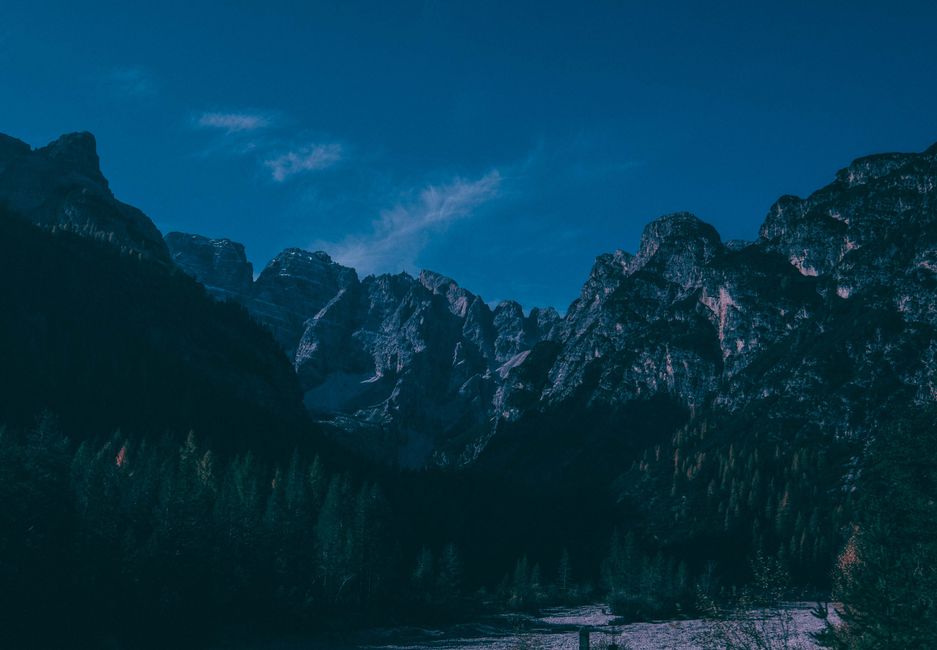
Mountains shape landscapes, weather, and life across the planet. A mountain range is a connected group of peaks and ridges that share a common origin, such as the Rocky Mountains, the Alps, or the Himalayas. Ranges are often part of larger mountain systems, and their height, width, and arrangement reveal clues about the geological forces that built them.
Most mountain ranges form at the edges of tectonic plates. When plates collide, crustal rocks can fold, fault, or thicken, lifting high terrain over millions of years. Volcanic arcs create chains of peaks where magma rises through the crust. Erosion by ice, water, and wind then carves valleys, sharpens ridges, and shapes the final profile of the range.
As elevation increases, air pressure and temperature drop, creating distinct climate zones on a single mountain. Windward slopes may receive heavy rain or snow, while leeward sides can be dry. These gradients support diverse plants and animals, from forests and alpine meadows to hardy mosses, pikas, mountain goats, bears, and birds of prey. Understanding mountain ranges, their formation, climate, and ecosystems helps us appreciate these dynamic environments and prepare for safe, responsible exploration.